1. Make the vehicle safe
Nobody sits inside. The crew sets up protection and puts on gloves, eye protection and protective clothing.
Comer, GA · Madison County
Dried blood on a seat or vomit in the back of a van in Comer? Call (877) 812-4220. Crews clean, disinfect and remove stained upholstery, then leave the interior safe to sit in again.
If anyone is in danger, call 911 first. For a suicide crisis, call or text 988.
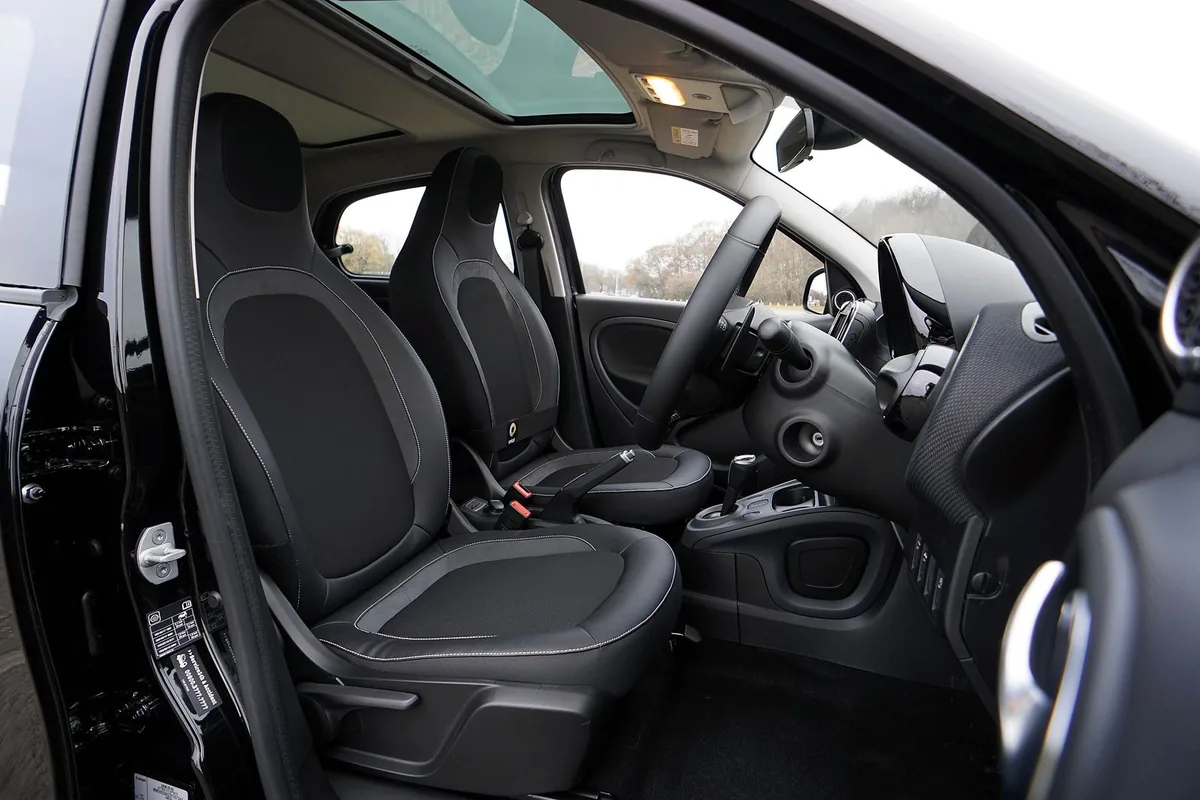
Vehicle biohazard cleanup, whether for one seat or a full cabin, follows the same pattern as work inside a building: protect, remove, disinfect, dispose and check.
You can get hazmat car cleaning and disinfection throughout Madison County, including Comer, by calling Comer Biohazard Cleanup Help. Drivers and owners call when contamination is too deep or too upsetting to deal with alone.
With about 51 inches of rain a year in Comer, damp air and leaks can feed mold in a contaminated vehicle that was left sitting. If you were exposed to blood in a vehicle, St Mary's Hospital in Athens is the closest emergency room to ask about testing and next steps.
A typical vehicle biohazard cleanup job includes:
Nobody sits inside. The crew sets up protection and puts on gloves, eye protection and protective clothing.
Plastic sheeting and careful handling keep contamination from reaching the driveway, garage or lot.
Contaminated parts that cannot be saved come out. Surfaces that stay are cleaned layer by layer.
The crew inspects each affected area, hauls away the waste and can provide notes for insurance claims.
Most vehicle biohazard cleanup jobs in Comer, GA cost between $500 and $5,000, based on published cost guides.
Replacing seats, carpet or trim after removal is usually separate from the cleanup itself, so ask what the quote covers.
| Type of job | Typical range |
|---|---|
| Vehicle biohazard cleanup | $500 - $5,000 |
Published ranges only (BioCleaners Directory); every vehicle biohazard cleanup job in Comer is priced after an on-site look. Price drivers include type of interior materials, how serious the event was, time since the event, air system decontamination. Questions? Call (877) 812-4220.
A vehicle where a death occurred is cleaned only after law enforcement or the medical examiner releases it. The team removes contaminated materials, disinfects and treats odor, which can settle into seats, headliner and vents.
A salvage vehicle is one an insurer has declared a total loss. Some are also tagged for contamination when blood or fluids were involved. Labels and rules vary, so ask the insurer or the state title office what applies to a specific vehicle.
It refers to a vehicle damaged by a biohazard, such as blood or body fluids, or by a chemical spill. Both kinds of contamination call for protective gear and specialized cleaning. A cleanup team can tell which applies after seeing the vehicle.
Cleaning a biohazard car starts with protection: gloves, eye protection and a mask. Contaminated upholstery and padding are removed, hard surfaces are cleaned, and an EPA-registered disinfectant is used by the label. Heavy contamination is best left to a vehicle biohazard cleanup team.
People use both phrases. Most of the time they mean decontaminating a vehicle that holds blood or other body fluids. Chemical spills are a separate hazard, and a cleanup team can say whether it can handle a specific one.
Cleaners follow rules designed to protect workers and the public from bloodborne pathogens, including the OSHA Bloodborne Pathogens Standard, 29 CFR 1910.1030. They wear PPE and use EPA-registered disinfectants.
One call starts the cleanup, disinfection and disposal.
Call (877) 812-4220